

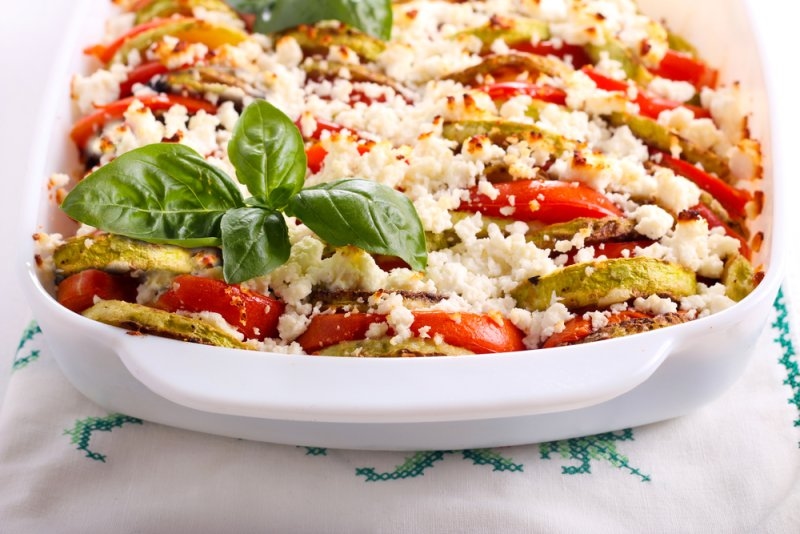
The nice thing about Mediterranean food is that it’s meant for casseroles. These ingredients can handle the heat. Tomatoes get soft, vegetables turn golden at the edges, herbs release all their aroma, and a little cheese on top gives you the perfect salty finish. Hearty comfort food, and you don’t need to drown it in cream or butter.
There’s a lot of flexibility, too—chicken, seafood, beans, whole grains, or just a tonne of veggies. Mediterranean casseroles don’t just feed you tonight; they make great leftovers for tomorrow. Here, you’ll find recipes, fresh ingredient combinations, simple cooking methods, and plenty of cozy ideas for everyday dinners.
Mediterranean casserole recipes are built around a simple idea: layer ingredients that taste good together, then let the oven do most of the work.
The best Mediterranean casserole ingredients balance sweetness, acidity, salt, freshness, and texture. Tomatoes bring moisture, olive oil helps vegetables brown, while garlic, oregano, thyme, and basil create a familiar Mediterranean flavour.
Keep these ingredients on hand:
You do not need everything in one dish. A few well-matched ingredients often work better than a crowded casserole.
Healthy Mediterranean casseroles can get their moisture from crushed tomatoes, broth, or vegetables rather than thick cream sauces. Beans and whole grains contribute fibre, while chicken or fish supplies protein. Olive oil and cheese add flavour, so portion sizes still matter.
For example, combine chickpeas, diced tomatoes, spinach, onions, oregano, and a little feta. Bake until the mixture bubbles and the top begins to brown. Serve it with a green salad for a simple, satisfying meal.
Also Read: Vegetarian Casserole Recipes for Easy Healthy Dinners
Mediterranean chicken casserole is a useful option when dinner needs protein, vegetables, and plenty of flavour in one dish.
Use boneless chicken thighs or breasts, cherry tomatoes, zucchini, red onion, garlic, olives, oregano, and lemon juice. Toss the ingredients with olive oil, black pepper, and a modest amount of salt. Arrange everything in a baking dish, leaving space between larger pieces so they cook evenly.
Bake at 400°F until the chicken reaches an internal temperature of 165°F in its thickest part. Cooking time varies with the size of the pieces, so use a thermometer rather than relying on appearance alone. Finish with parsley and crumbled feta.
The same Mediterranean chicken casserole can take different directions without requiring a completely new recipe. Add cooked orzo for a pasta-style bake, or stir in drained cannellini beans for more fibre and a softer texture.
For a richer flavour, use sun-dried tomatoes alongside fresh tomatoes. If the dish tastes too salty because of olives and feta, reduce added salt and finish with lemon juice instead. Small changes can make the recipe feel new.
A Mediterranean vegetable casserole is ideal when the produce drawer is full, and dinner needs to feel substantial without meat.
Slice eggplant, zucchini, bell peppers, and red onion into similar-sized pieces. Toss them with olive oil, garlic, oregano, and black pepper, then roast until they begin to soften and brown. Add crushed tomatoes and chickpeas before returning the dish to the oven.
The roasting step matters. Vegetables release water as they cook, so baking everything together from the beginning can leave the casserole watery. Starting with roasted vegetables helps concentrate their flavour.
For a more savoury finish, scatter feta over the vegetables during the final 10 minutes of baking. Add fresh basil or parsley after removing the dish from the oven.
This Mediterranean vegetable casserole works as a main course with crusty whole-grain bread or as a side for grilled chicken. You can also swap eggplant for mushrooms or use spinach near the end of cooking, since delicate greens shrink quickly.
Don't Miss: Try This Easy Keto Broccoli Chicken Casserole Recipe Today
A Mediterranean diet dinner casserole can combine vegetables, legumes, whole grains, and moderate portions of protein in one convenient meal.
Toss together chickpeas, diced tomatoes, chopped spinach, red onion, garlic, cumin, and oregano in a baking dish. Pour in a little vegetable broth and pop it in the oven until everything’s hot and bubbling. Once it’s out, sprinkle lemon zest and fresh parsley on top to wake it all up.
This easy Mediterranean casserole is perfect for nights when you want something hearty without any meat. Chickpeas do the heavy lifting for protein and fibre, and the spinach brings both colour and a healthy boost. Serve it over brown rice or farro if you want a more substantial meal.
Different combinations suit different schedules and appetites. Use this quick comparison when deciding what to cook.
| Casserole style | Main ingredients | Best for |
|---|---|---|
| Chicken and lemon | Chicken, tomatoes, olives | Protein-rich dinners |
| Roasted vegetables | Eggplant, zucchini, peppers | Meatless meals |
| Chickpea and spinach | Chickpeas, tomatoes, greens | Budget-friendly dinners |
| Orzo and feta | Orzo, spinach, feta | Pasta-style comfort food |
These Mediterranean casserole recipes can share ingredients, which keeps grocery shopping manageable. Buy one bag of spinach and use some in a chickpea bake, then add the rest to chicken or orzo.
Good Mediterranean casserole recipes are not necessarily complicated; preparation and moisture control make the biggest difference.
Chop vegetables, rinse canned beans, measure seasonings, and prepare sauces a day ahead. Store the components in sealed containers in the refrigerator, keeping raw chicken separate from ready-to-eat ingredients.
For the best texture, assemble delicate vegetables and cooked grains close to baking time when practical. If a casserole is refrigerated after assembly, allow for a longer cooking time and check that the centre reaches a safe temperature.
Refrigerate cooked casseroles within two hours, using shallow containers to help them cool promptly. Most cooked leftovers should be eaten within three to four days when refrigerated at 40°F or below.
Reheat leftovers to 165°F. Add a spoonful of broth or water if grains have dried out; cover the dish to retain moisture, then uncover briefly if the top needs crisping. These small steps preserve texture instead of turning tomorrow's dinner into a dry block.
Discover More: Explore Delicious Vegan Casserole Recipes for Healthy Meals
These casseroles are all about easy cooking without giving up flavour or freshness. Throw in baked chicken for protein, try a veggie casserole for something seasonal, or go meatless with chickpeas. The real secret? It’s not about adding more ingredients—it’s about getting the moisture, seasoning, and texture just right.
Roast your veggies if you need to, pile on the herbs, and keep those Mediterranean basics (lemon, tomatoes, beans, and olive oil) nearby. Prep parts of the dish ahead, then mix and match depending on what the week looks like. In the end, casseroles should feel like a warm hug, not a kitchen project. Start with something simple and tweak it to fit what your household likes.
Absolutely. Just swap wheat-based pasta for rice, quinoa, potatoes, or certified gluten-free pasta. Double-check broth and seasonings to be sure they’re gluten-free if you need to be careful.
Feta’s always a winner. It’s salty and tangy and stands out with tomatoes, olives, and veggies. If you want something milder and softer, mozzarella or ricotta does the job.
Roast watery vegetables first, drain canned stuff really well, and don’t pour in too much broth. When it comes out of the oven, give it a few minutes to rest so the juices have time to settle.
Definitely. Most bean, tomato, and chicken casseroles freeze great in airtight containers. Just remember that pasta or watery veggies get a bit softer after thawing—so freeze in portions and reheat gently.
Oregano, thyme, basil, rosemary, and parsley are all good choices, depending on what you’re making. Use dried herbs when you bake and toss in delicate fresh ones right at the end for a fresh pop of flavour.
This content was created by AI