

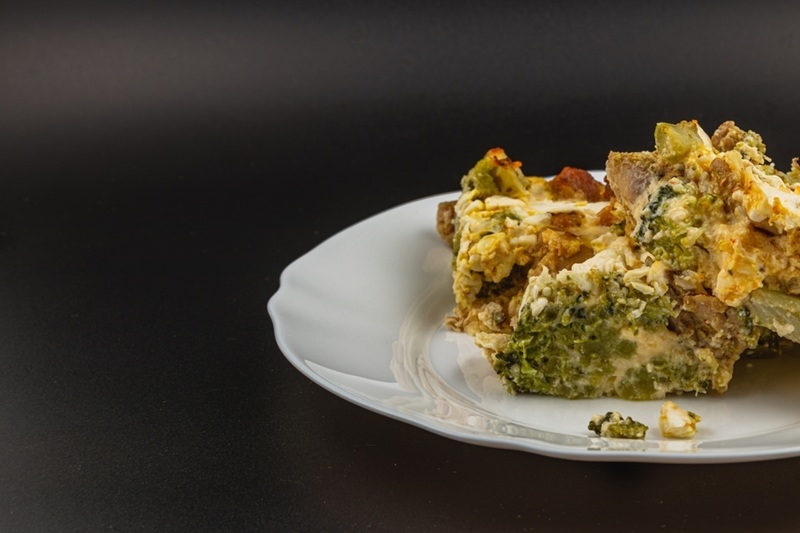
Picture a golden, bubbling dish coming straight out of the oven on a busy Tuesday night. It smells incredible, it feeds the whole family, and the best part? There is not a single piece of meat in it. That is the magic of vegetarian casserole recipes. They are warm, filling, and surprisingly simple to put together, which makes them one of the smartest choices you can make for your weeknight dinner routine.
Many people still think of casseroles as heavy, calorie-loaded comfort food from the past. The truth is that when you build them around vegetables, legumes, and whole grains, they become some of the most nutritious recipes you can serve your family. Whether you are fully plant-based or simply trying to eat a little better, this guide walks you through everything you need to know, from why these dishes are so good for you to five crowd-pleasing recipes worth bookmarking.
Across the US, more families are leaning on plant-based meals to cut grocery costs and improve their nutrition. The science backs them up. Peer-reviewed studies show that people who regularly eat vegetarian diets face lower rates of heart disease, type 2 diabetes, and high blood pressure.
Casseroles are one of the most efficient ways to eat more plants. A single dish brings together vegetables, a protein source, a whole grain, and a flavourful sauce, everything you need for clean eating in one pan. They are also portion-friendly, freezer-ready, and just as filling as meat-based dinners. If healthy veggie casseroles are not already part of your weekly lineup, they should be.
Every reliable veggie bake comes down to the same four components:
Tip: Put firm vegetables like carrots and cauliflower first. Stir in spinach or frozen peas only in the last 10 minutes to avoid overcooking.
Discover More: Explore Delicious Vegan Casserole Recipes for Healthy Meals
Did you know that more than 60% of households now cook plant-based dinners at least once a week? This trend is part of a broader move toward sustainable and healthy eating, according to the Good Food Institute's 2016 State of the Industry Report. Whether you're a long-time vegetarian or a "flexitarian" who wants to add some variety to your weeknight dinners, these five recipes, approved for their combination of plant-based protein and vitamins, combine comfort and science.
Roasted butternut squash and kale go into a nutmeg-spiced cream sauce, topped with Parmesan, and baked until golden. The squash brings a natural sweetness that balances the earthiness of the kale, and the whole thing delivers a solid hit of iron, fiber, and vitamins A and C. Works as a main or a hearty side.
Zucchini, yellow squash, and bell peppers are layered with brown rice and a ricotta-feta blend, then finished with sliced fresh tomatoes. It is one of those nutritious recipes that tastes far richer than it is. Refrigerates well for up to four days, which makes it one of the better meatless dinner ideas for busy weeks.
Corn tortillas, black beans, roasted sweet potato, and shredded cheese are layered with enchilada sauce and baked until bubbly. Sweet potatoes supply beta-carotene and complex carbs; black beans bring protein and fiber. Finish with sliced avocado. A reliable crowd-pleaser for anyone exploring meatless dinner ideas with a Tex-Mex lean.
Plant-based meals do not get much more satisfying than this. Green lentils sit below a layer of roasted vegetables and a cumin-garlic gravy with a hint of cinnamon. Dairy-free and high in iron and plant protein. Swap the flour-based gravy for cornstarch to make it gluten-free.
Broccoli and cauliflower in a cheddar sauce, baked until the top is crisp and golden. Quick, budget-friendly, and genuinely kid-approved. Use rice flour to keep it gluten-free. A clean eating staple that takes under an hour start to finish.
Most healthy veggie casseroles can be assembled the night before and refrigerated. Pull the dish out 30 minutes before baking for even heat distribution. Leftovers hold in the fridge for three to four days and freeze well for up to three months. When reheating from frozen, add a splash of vegetable broth, cover loosely with foil, and warm at 350 degrees F.
One of the best things about vegetarian casserole recipes is how flexible they are. Almost any recipe can be adjusted to fit different dietary needs without losing any of the flavor or comfort factor.
Vegetarian casserole recipes are genuinely one of the easiest upgrades you can make to your weekly dinner routine. They are affordable, flexible, and built around clean eating ingredients that support long-term health. Whether you start with the lentil bake or go straight for the enchilada casserole, one of these plant-based meals is almost certainly going to earn a permanent spot in your kitchen.
Yes, when built correctly. A veggie casserole that combines a whole grain, a legume-based protein, and plenty of fiber-rich vegetables will keep most adults full for four to five hours. Lentils, black beans, and chickpeas digest slowly, which prevents the energy crash that comes after lighter meals. Pair any of these nutritious recipes with a simple green salad, and you have a complete, well-balanced dinner with no meat required.
Definitely. This is one of the strongest arguments for working meatless dinner ideas into your weekly prep. Fully baked casseroles freeze well for up to three months in an airtight container. Let the dish cool completely before freezing, and label it with the date. Thaw overnight in the refrigerator, then reheat covered at 350 degrees F. A small pour of vegetable broth before reheating keeps the texture from drying out.
Chickpeas hold their shape and stay mild, making them ideal for Mediterranean-style bakes. Black beans are the go-to for anything Tex-Mex. Lentils create a dense, hearty base that mimics the texture of ground meat. Firm tofu absorbs whatever seasoning surrounds it and is among the highest-protein options available. For a lacto-vegetarian approach, eggs and cottage cheese also work well and help the healthy veggie casseroles set into clean, sliceable portions. All of these are widely stocked at grocery stores nationwide.
This content was created by AI